LYNTRIS AUTONOMY

Scalable autonomy in contested environments.

Mission-ready autonomy across air, land, and sea - enabling commanders to deploy, control, and coordinate assets with speed and confidence.

TRL 6+

Validated on multiple uncrewed systems

1,000+ hrs

Live testing across air, ground, and sea

20+ years

Delivering autonomy for USAF, Navy, ARFL, NIWC and others

50,000+ hrs

Simulation and mission development

$30M

In RDT&E invested in building capability
One autonomy architecture, from the hull to mission command

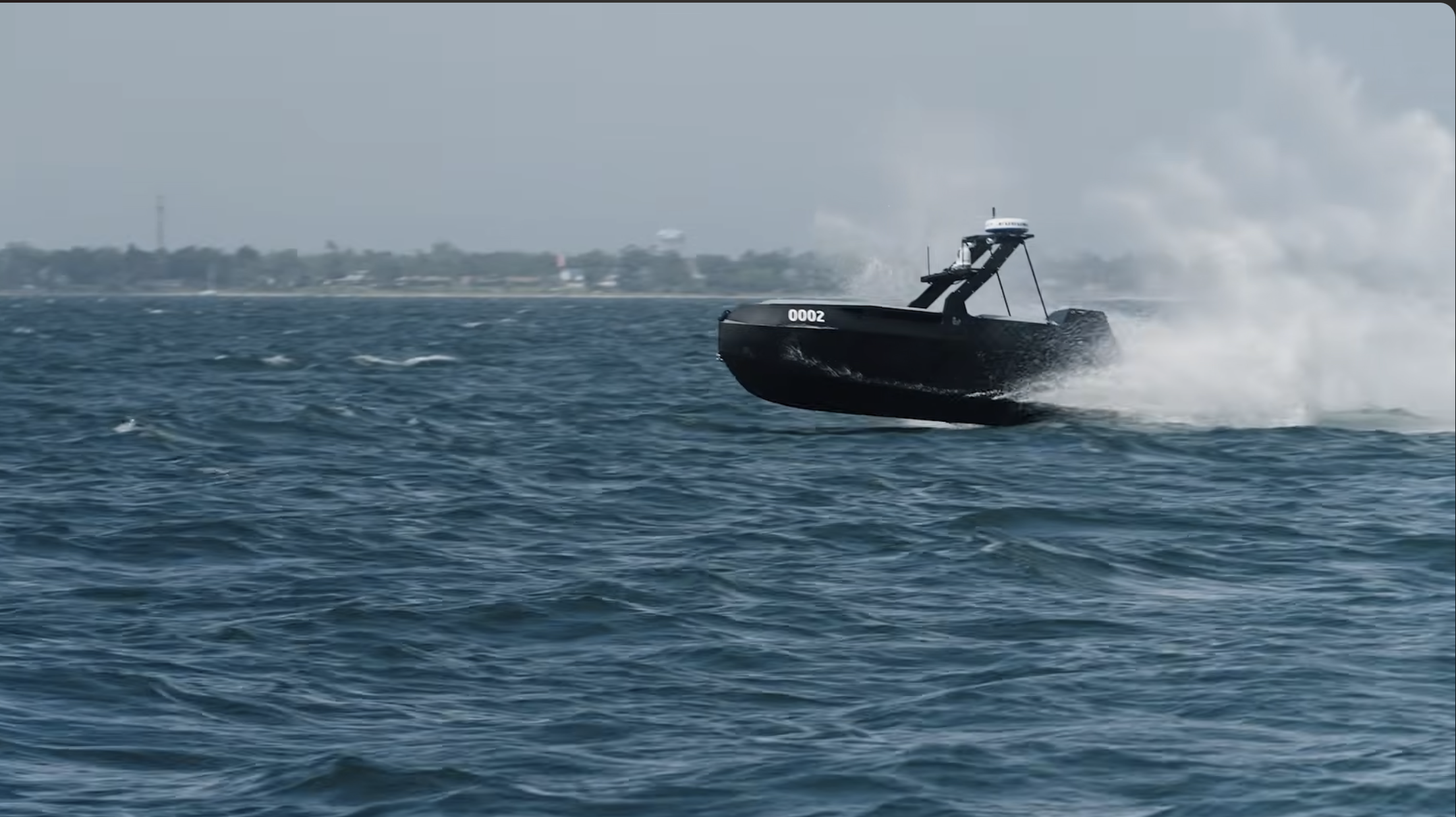
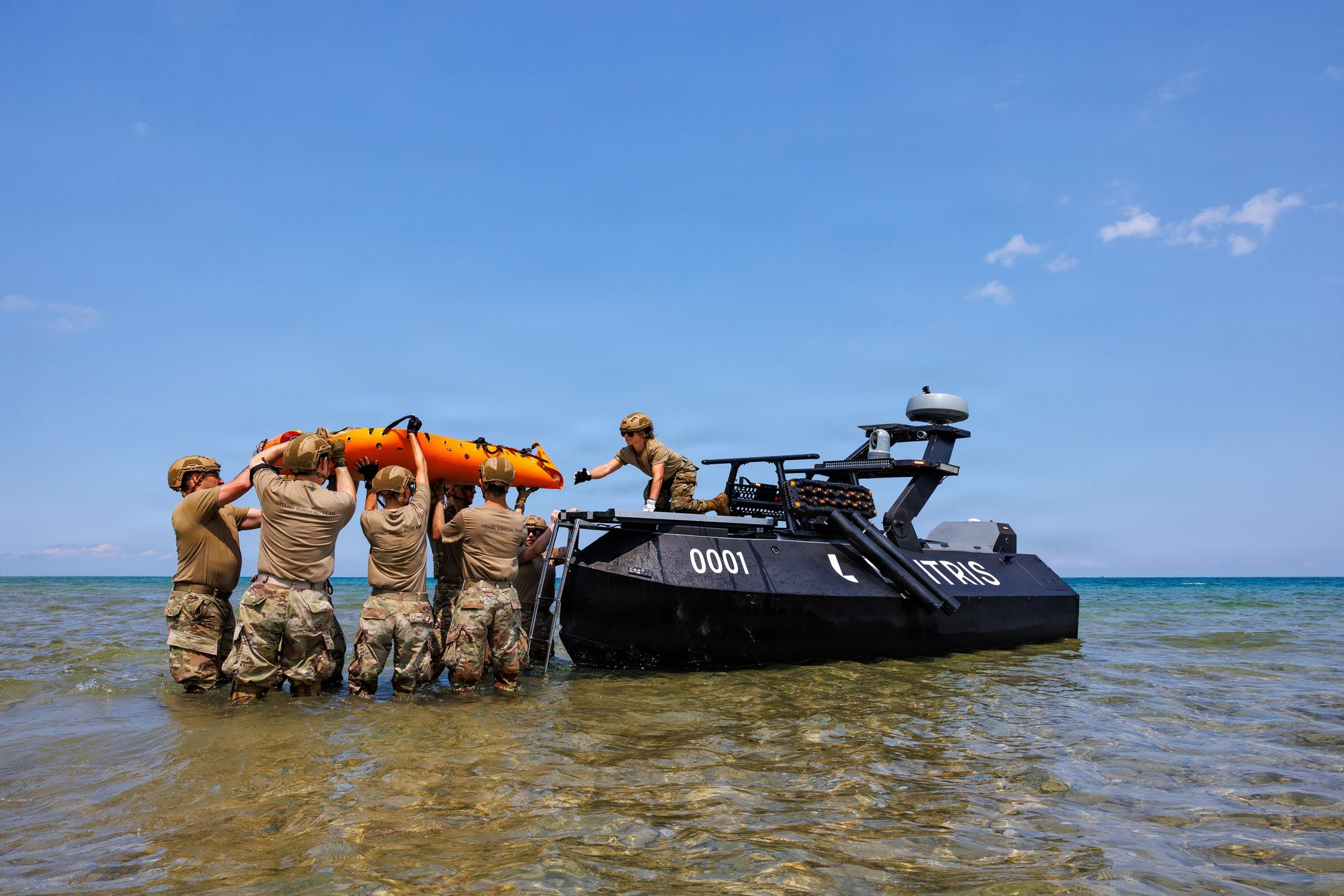
MV-20 | Autonomous Surface Vessel

A multi-mission small USV that carries more than 1,500 lb of payload, ranges past 1,300 nmi, and reconfigures its payload bays pier-side in hours. It runs alone under single-operator control or as part of a coordinated multi-vessel group.
Explore the MV-20

HELM | Platform Autonomy & Visualization

Hull & Engine Low-Level Management (HELM) provides ownship autonomy for unmanned surface vehicles (USVs), precisely controlling propulsion, steering, and vessel dynamics to ensure stable, reliable, and mission-ready operation.

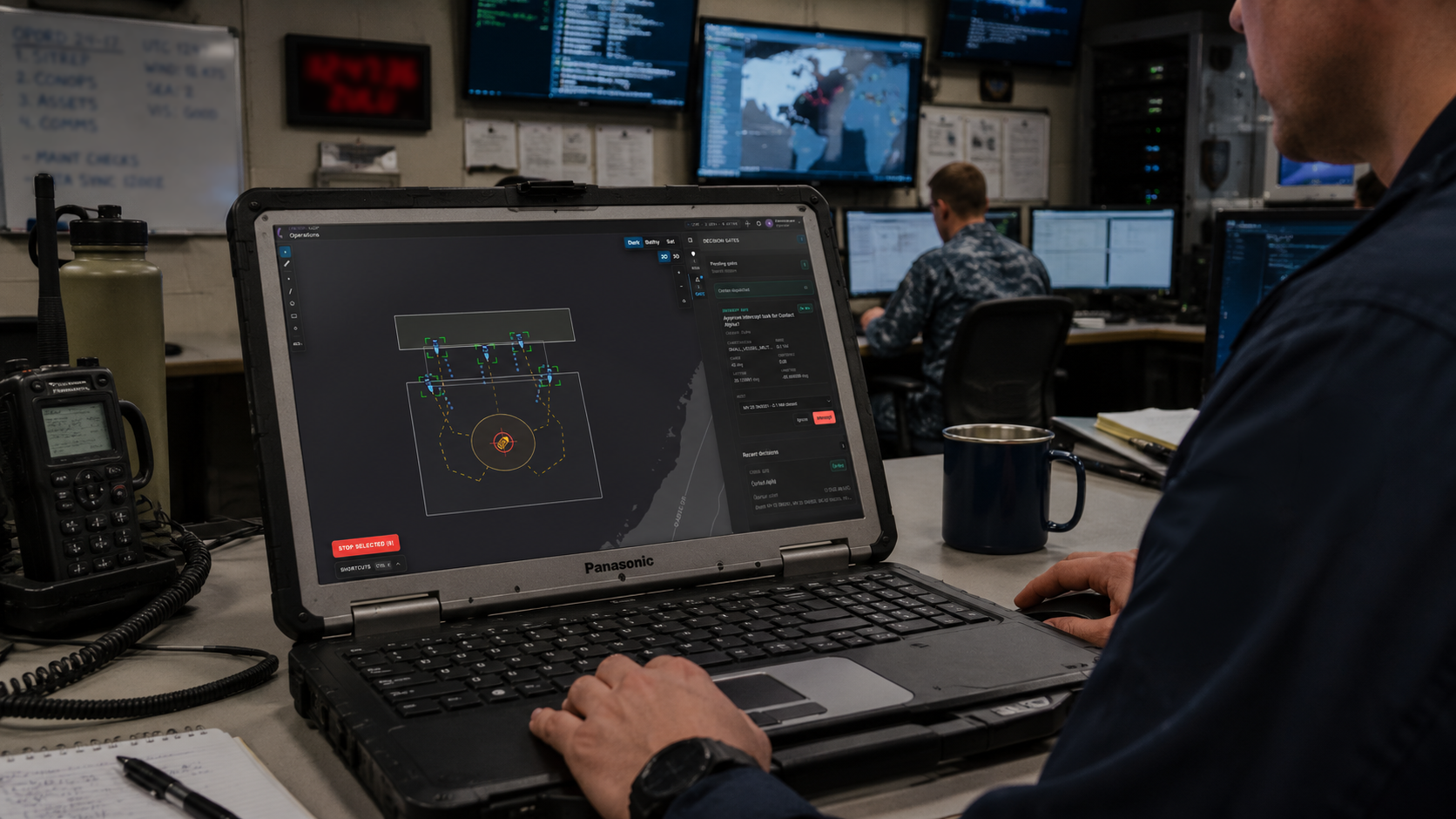
Garda C2 | Mission Command for Autonomy

Commands mixed autonomous fleets through a single interface. It keeps mission command separate from vehicle autonomy, so operators can supervise multi-domain fleets regardless of who built the vehicle or its autonomy stack.
Read the mission story

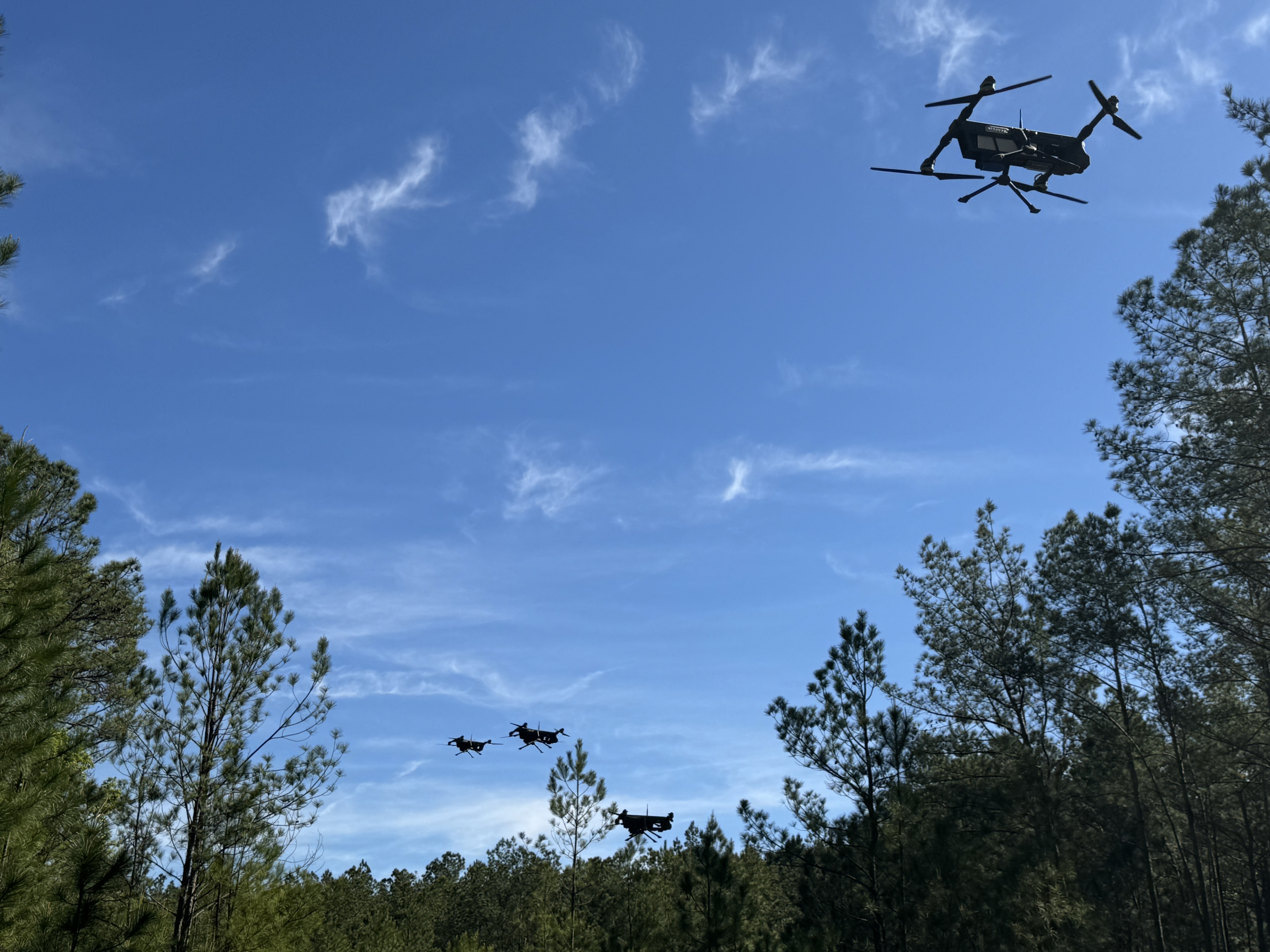
Dragonflight | Collaborative Mission Autonomy

Handles mission planning and fleet-level coordination, enabling multiple platforms to plan, assign, and execute tasks collaboratively while maintaining formations and deconfliction.

Extended Mission Software for mission-specific use cases:

EpEx

Explainable autonomy and after-action mission reconstruction, developed with the Air Force Research Laboratory.

C2A

ROE-aware counter-UAS response recommendations, independent of effector.

TeamMATE

Autonomous formation following for robotic ground teammates.
As featured in Breaking Defense

Final Breaking Defense article

The Navy is fielding autonomous vessels faster than it is settling how those vessels should work together. This Breaking Defense discussion examines what it takes to turn individual USVs into a persistent maritime sensing layer without multiplying operator workload.
Read the article

Proven in the field

Talon IQ | Northrop Grumman | Air
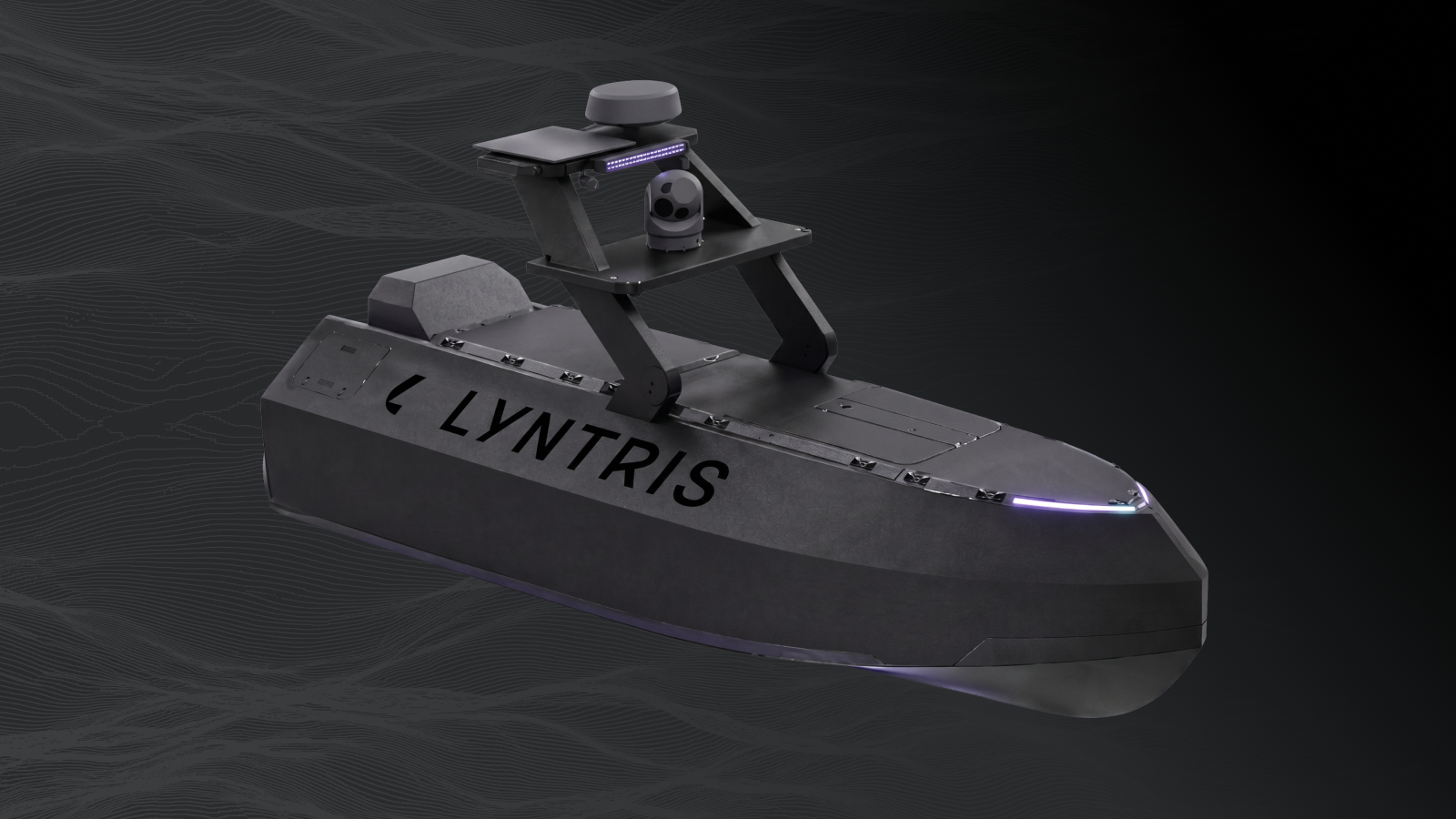
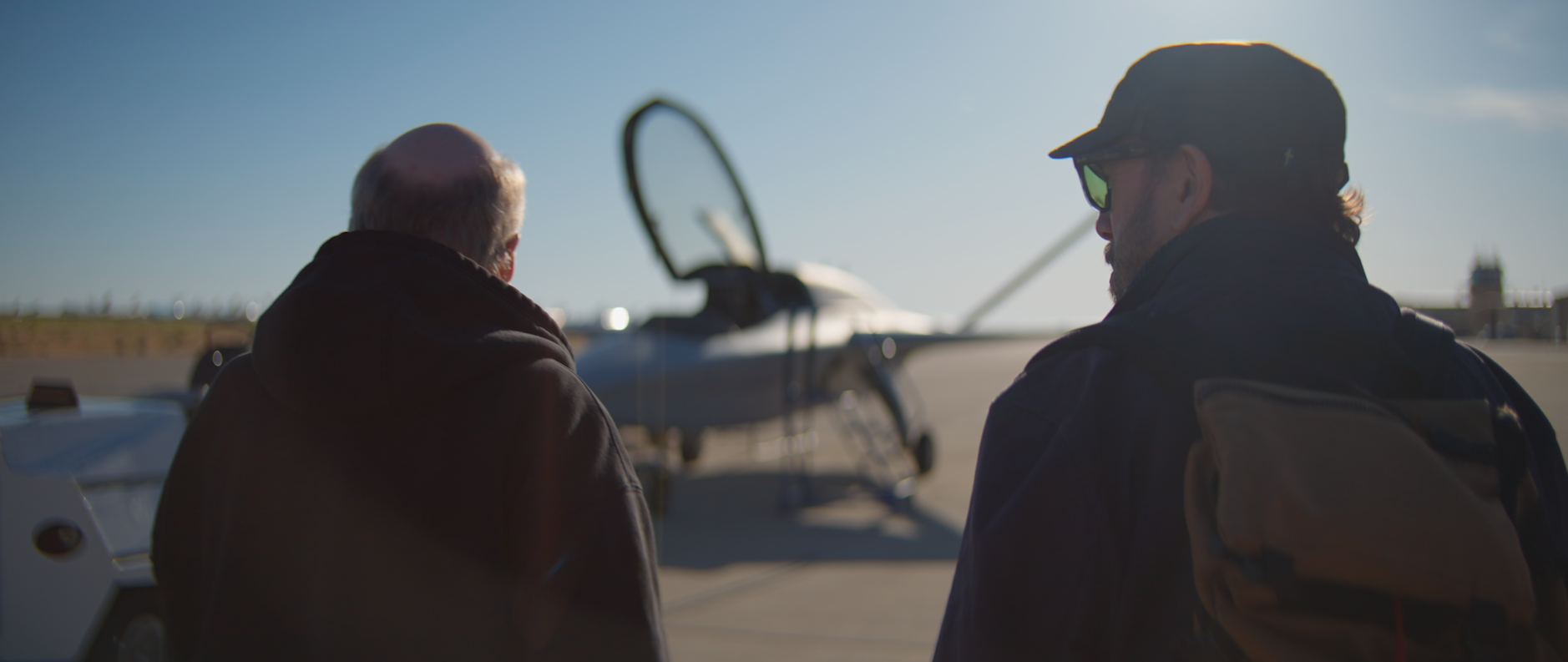
In April 2026 at Mojave, Northrop Grumman's Talon IQ testbed handed the aircraft to Lyntris mission autonomy in flight. Lyntris generated a Combat Air Patrol plan in real time and flew it: station keeping, sector patrol, multi-aircraft coordination, sensor orientation

MV-20 | Maritime

In February 2026, the MV-20 transited more than 425 nmi out of Panama City Beach under its own autonomy. Multi-day, open ocean, Sea State 3–4.Chips: UMAA compliant | 425+ nmi autonomous transit | Silent Swarm 2026

Built to work with what you already field

Open Systems

Containerized, MOSA-compliant, COLREG- and UMAA-compliant software that supports government-purpose rights and runs with autonomy stacks and platforms from multiple vendors. Talon IQ tested that in the air, when Lyntris mission autonomy took control of the aircraft mid-flight inside Northrop Grumman's Prism architecture.

Multi-Mission Modularity

The same autonomy stack runs on maritime, aerial, ground, and space platforms, with rapid payload integration and a common command and control layer across all of them. That supports coordinated ISR, cordons, picket lines, and multi-domain operations. Built for the edge, the architecture supports dynamic re-tasking, distributed sensor fusion, and autonomous operations in congested and contested environments.

Fleet Sustainment & Lifecycle Management

Real-time health monitoring, guided maintenance, configuration management, workforce training, and lifecycle planning keep autonomous fleets mission-ready. The framework is vendor-agnostic, so sustainment stays standard across mixed platforms.

More from Lyntris autonomy

When the Golden Hour Ends: Why Casualty Care Is Becoming a Logistics Problem
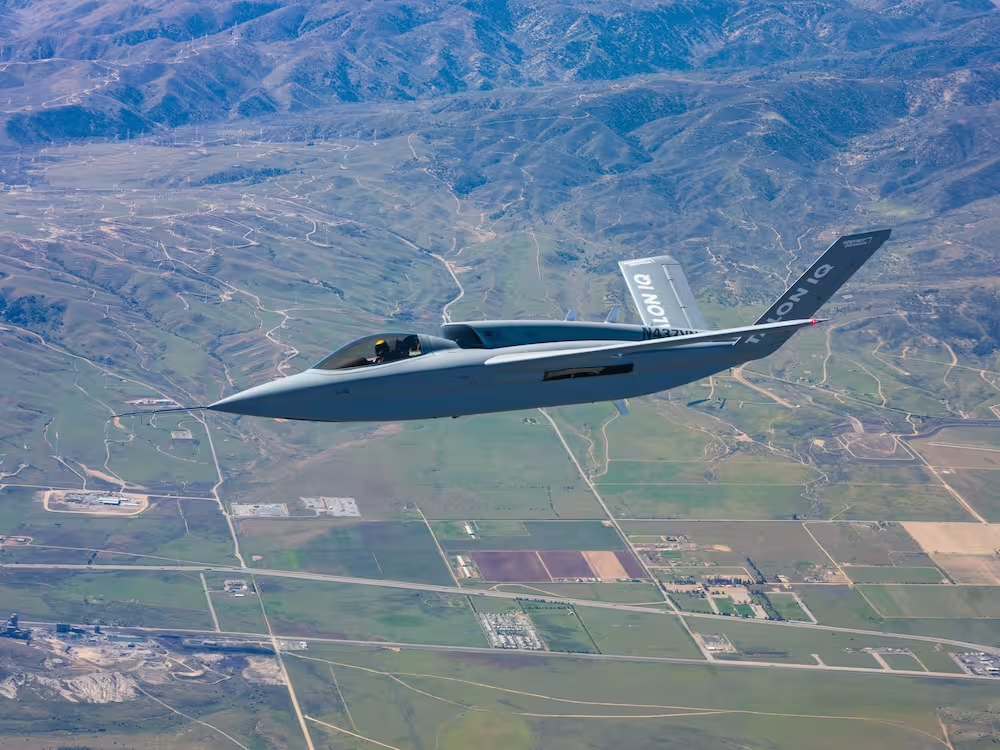
At Northern Strike, an MV-20 ran blood in and a casualty out over open water, on its own.

Lyntris Validates Autonomous CAP Capability in Live Flight with Northrop Grumman's Talon IQ
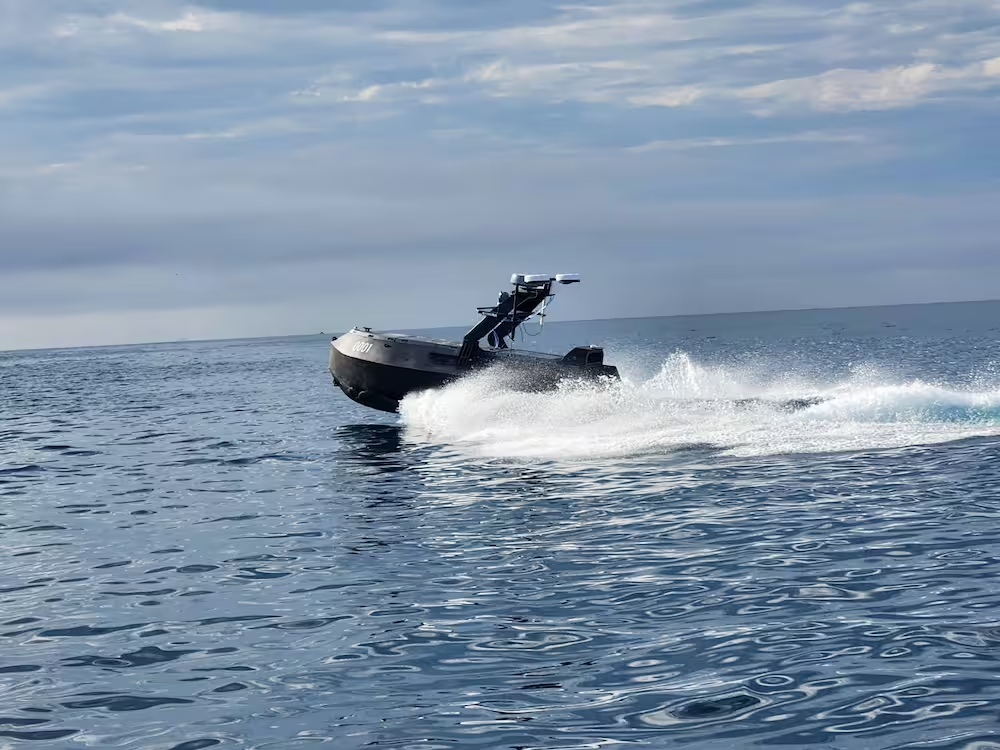
Combat Air Patrol autonomy, from simulation to a jet-class testbed in flight.

Future of Maritime Operations Depends on Mission Adaptability of USVs
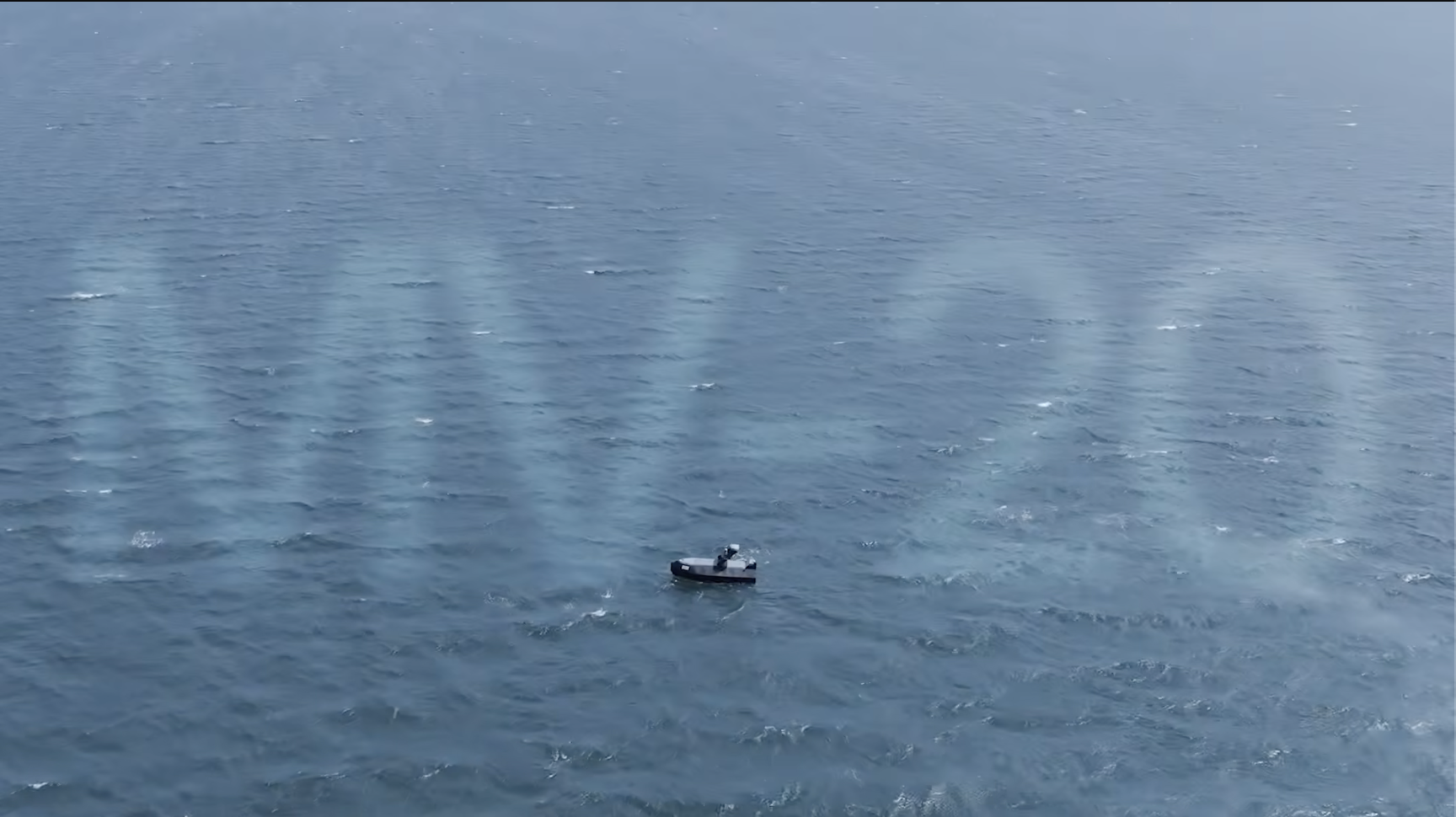
December 10, 2025 Why a small USV's value forward is set by how fast it changes jobs.

MV-20 - Built for Contested Waters

See how the MV-20 combines a flexible multi-mission platform with the autonomy needed to support logistics, persistent ISR, strike-group protection, and other contested maritime missions.

Autonomous Combat Air Patrol: Inside the Talon IQ Flight

In this short documentary, we share what our team set out to prove, what they learned in the air, and why live flight testing remains one of the most important steps in developing mission-ready autonomy.

Beyond the Autonomous Aircraft: The Next Challenge Is Autonomous Teams

The next challenge in military autonomy is coordinating aircraft as a team that can adapt to disruptions and execute changing missions.