
MV-20 sUSV

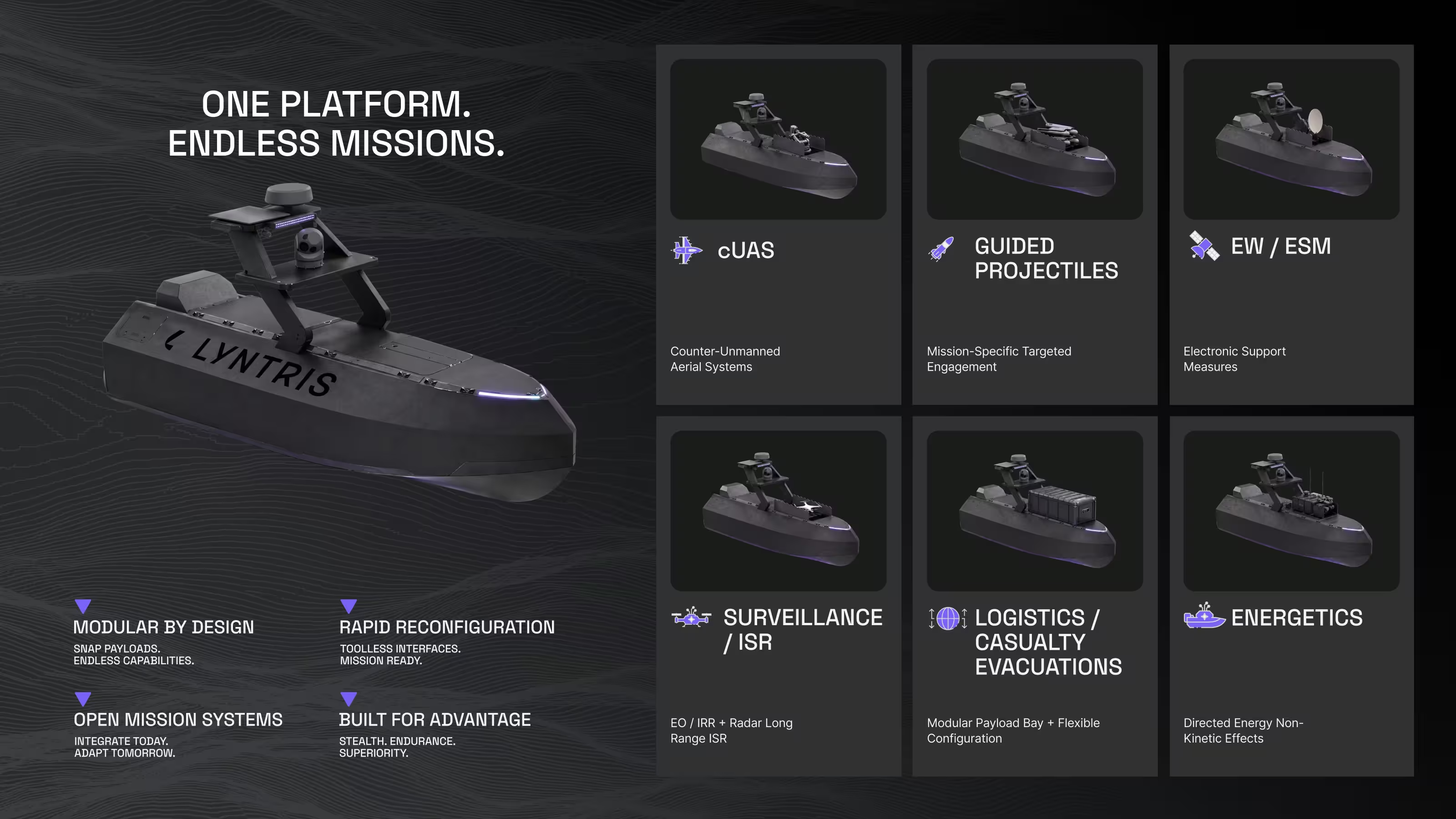
Most USVs do one job. The MV-20 does several - at once.
The Challenge
The majority of USVs are single-mission platforms. When the mission changes, the vessel goes back to depot for weeks of hardware swaps. In contested waters, where the threat doesn't pause and infrastructure doesn't exist, you don't have weeks. The fleet needs a platform that adapts at the pier, not the factory.
The Reality
The MV-20's modular payload bays reconfigure in hours — pier-side, at sea, or at the point of need. The vessel carries multiple payloads simultaneously and executes concurrent missions: ISR, EW, and resupply on a single sortie, re-tasked underway. Open architecture means new sensors and effectors integrate without re-engineering the hull or re-architecting the autonomy stack. And when conditions deteriorate, the MV-20's self-righting hull, low radar profile, and sea state 5+ survivability mean it stays on station.
Multi-Mission Platform
In early 2026, MV-20 completed a 425+ nautical mile endurance mission in the Gulf of America; multi-day, open-ocean transit from Panama City Beach, FL with autonomous navigation and sustained Sea State 3–4 operations. At Northern Strike 2026, with the Michigan National Guard, the MV-20 launched offshore and transited on its own autonomy toward the landing point, carrying refrigerated blood so the cold chain held the whole way in; the combat casualty care teams met it at the waterline, took the blood, and loaded a patient litter. The MV-20 backed off and carried the casualty out over open water.