Act
Scalable autonomy in contested environments.
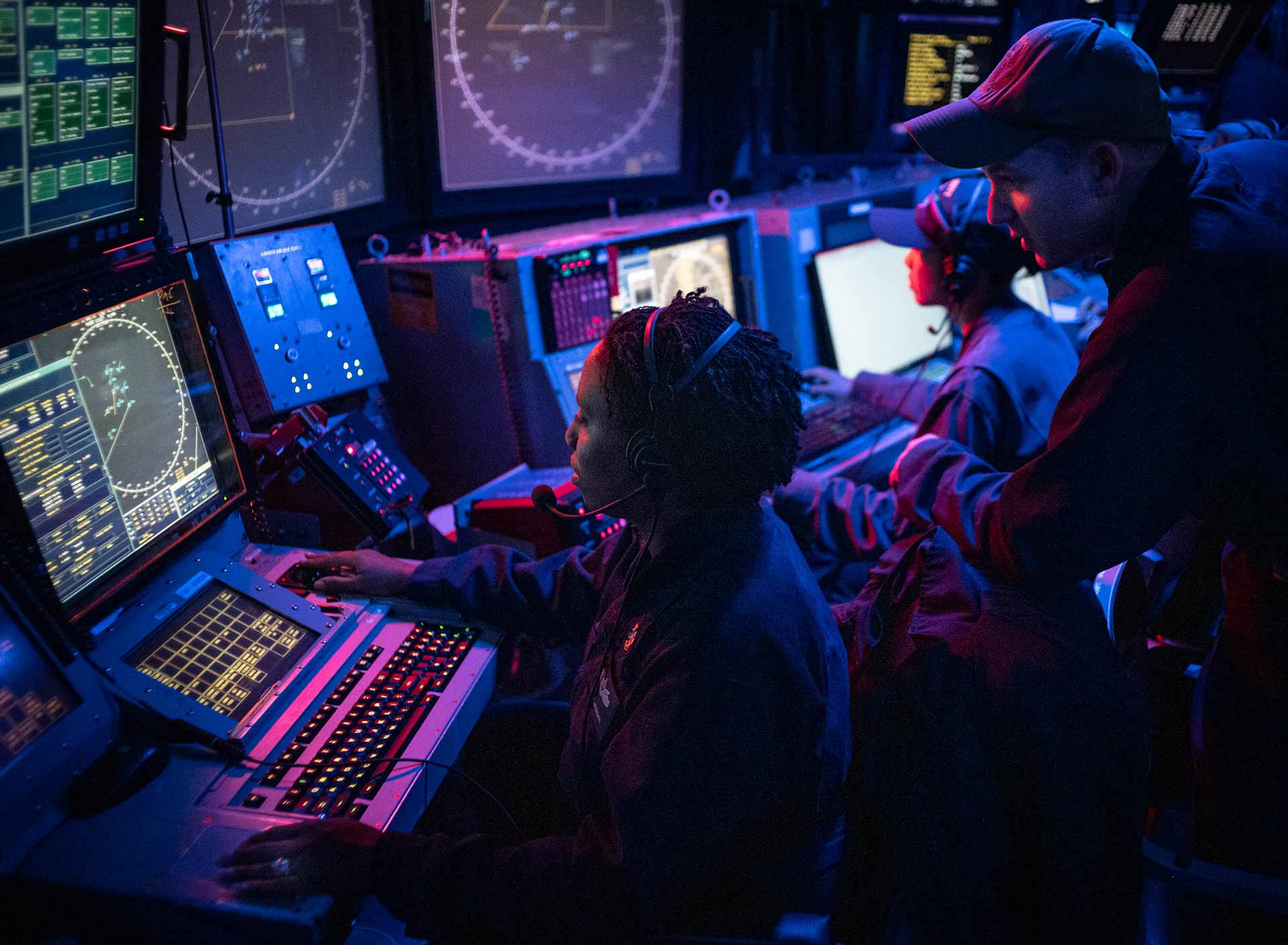
Mission-ready autonomy across air, land, and sea - enabling commanders to deploy, control, and coordinate assets with speed and confidence.

Autonomy that turns intent into action.
Lyntris designs autonomous platforms and the software that powers them, connecting systems, data, and operators into coordinated, mission-ready capability.
WHAT WE DO
HOW WE DO IT
TBD

TBD
TBD
TBD
TBD
TBD
TBD
TBD
TBD
TBD
TBD
Proven in contested environments.
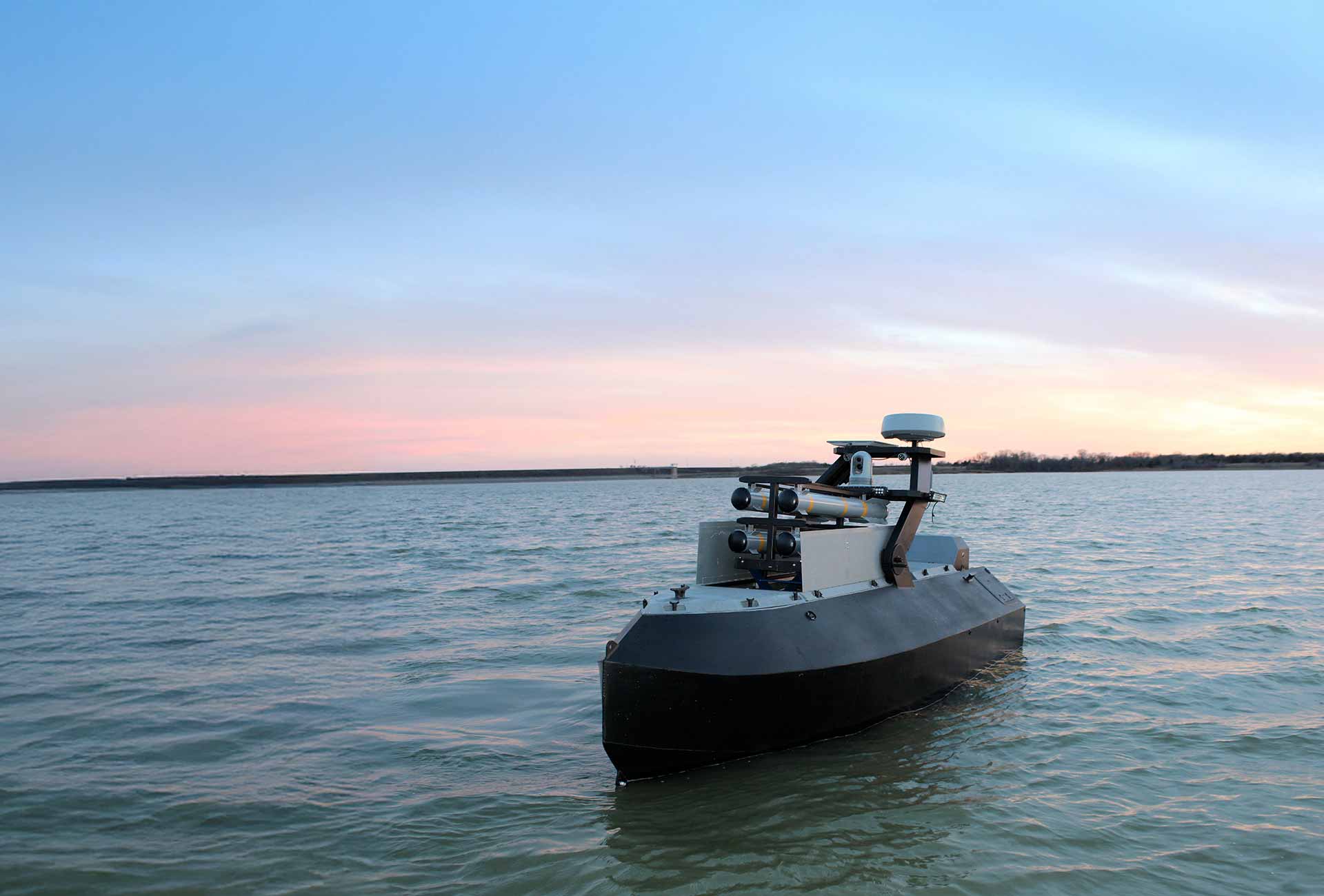
MV-20: Building a Scalable Unmanned Surface Vessel for Naval Maritime Operations
Awarded under the EMC2 Other Transaction Authority contract, Lyntris designed and delivered the MV-20 — a reconfigurable, open-architecture small unmanned surface vessel built for forward-deployed maritime domain awareness. With a hull engineered for speed, endurance, and extreme sea state survivability, modular payload integration across ISR and kinetic mission sets, and a domestic manufacturing approach aligned with DoW supply chain priorities, the MV-20 gives the Naval Maritime force a low-cost, scalable platform ready for fleet-level deployment.

EpEx – Episodic Memory Reconstruction for UAS Behavior Explanation
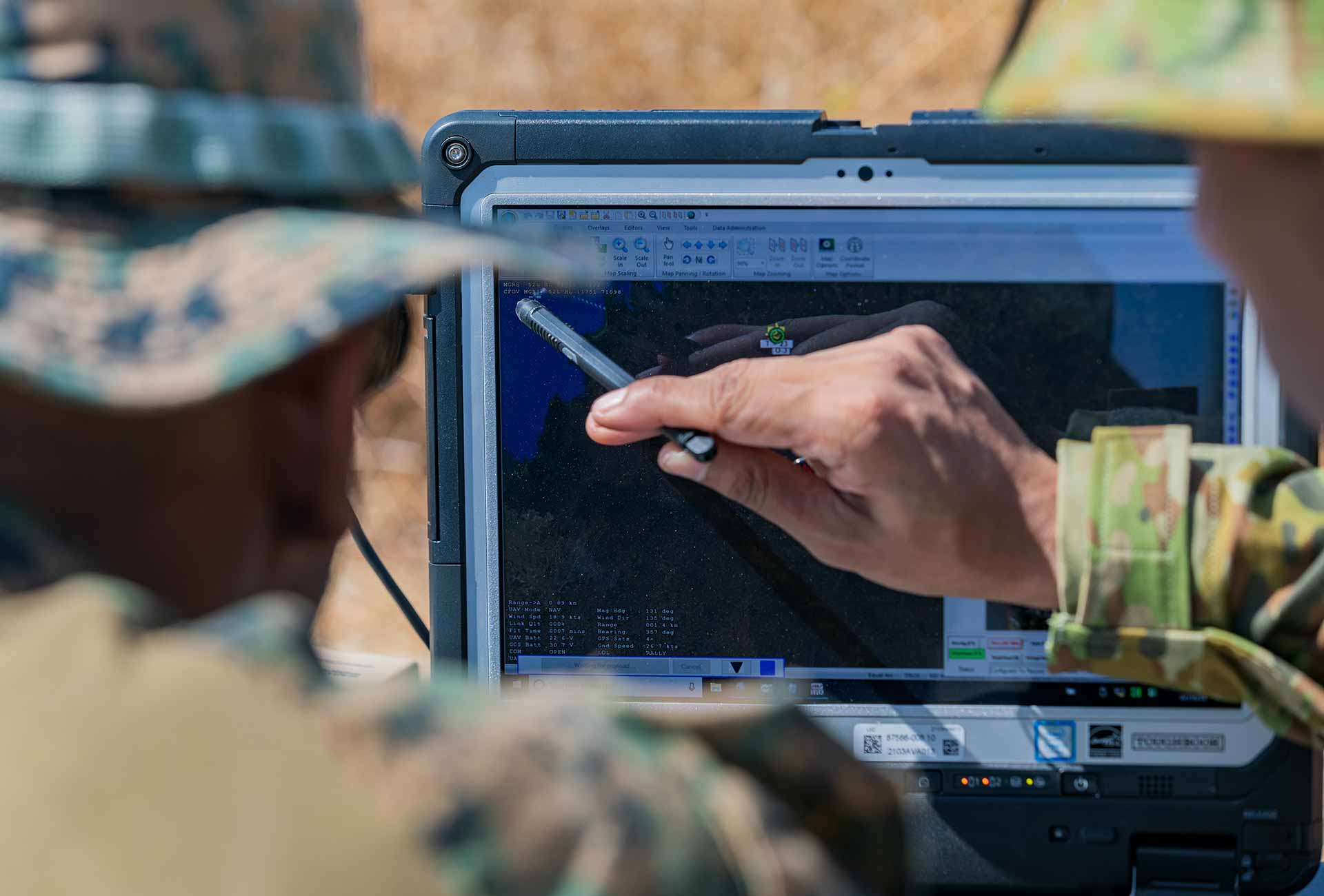
Developed under contract with the Air Force Research Laboratory's Human Performance Wing, EpEx reconstructs and visualizes autonomous UAS decision-making to give operators clear, human-readable explanations of why an aircraft acted the way it did. By correlating sensor inputs, internal system states, and environmental conditions, EpEx closes the visibility gap between what the UAS knew and what the operator can see.

Dynamic Task Sharing for Autonomy (Savant)
Developed with the Air Force Research Laboratory's Airman Systems Directorate, Savant addresses a core challenge in distributed UAS operations: when something goes wrong, operators can quickly become overwhelmed. Savant delivers dynamic workload monitoring and intelligent task handoff across distributed teams — automatically recognizing when to reassign tasks and rapidly bringing new operators up to speed — so teams can manage demand peaks without losing control of the mission.