Sustain
Train for the mission.
Adaptive, immersive training that prepares operators for real-world conditions before they face them.

Adaptive training for operational readiness.
Lyntris delivers AI-driven training and simulation environments that replicate the complexity of modern missions, reducing risk, strengthening decision-making, and preparing teams to perform under pressure.
WHAT WE DO
HOW WE DO IT
TBD

TBD
TBD
TBD
TBD
TBD
TBD
TBD
TBD
Trusted to prepare forces for real-world conditions.
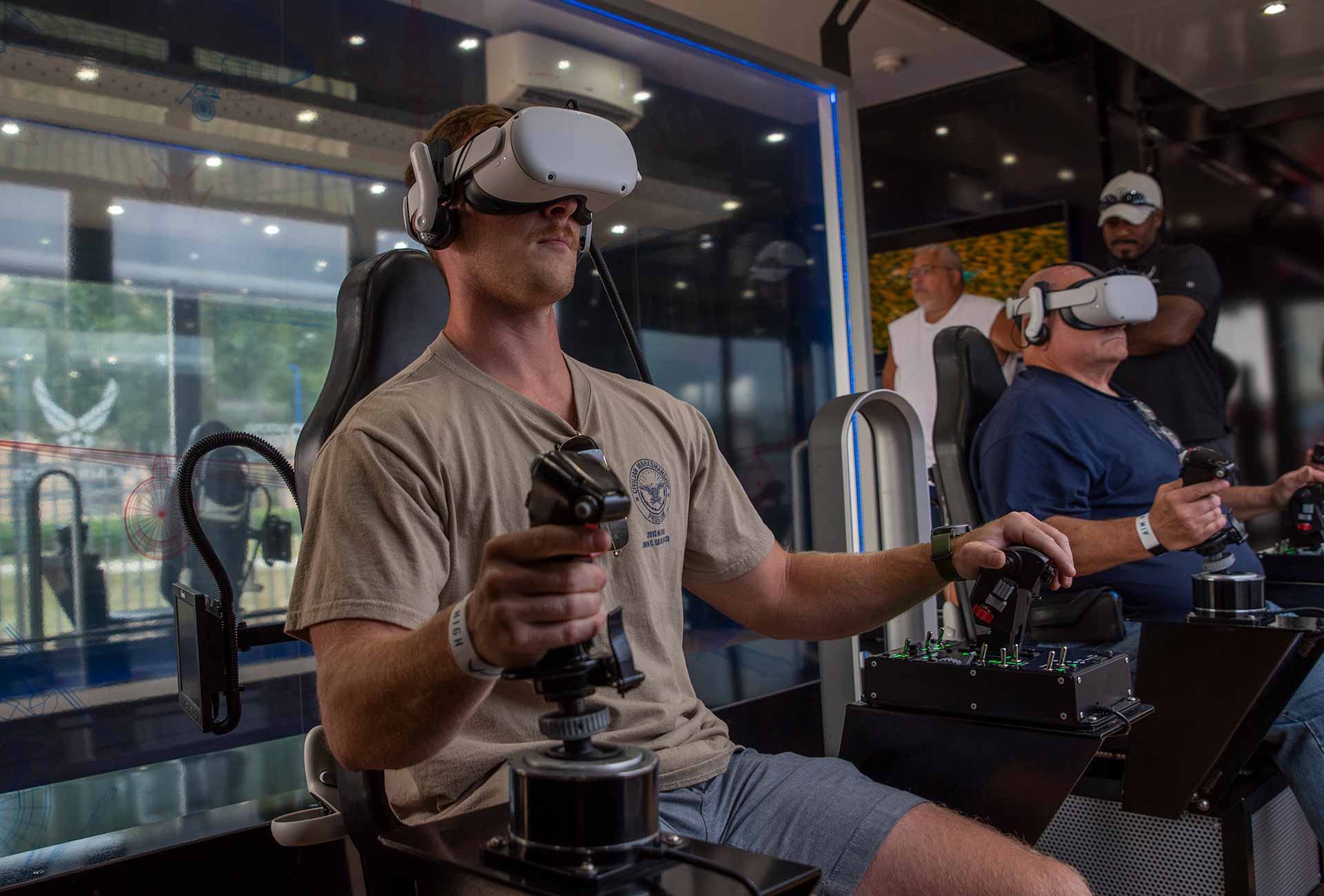
Enhancing Navy Pilot Safety
Funded through the Navy SBIR program with NAWCTSD, WingMAN addresses one of naval aviation's most persistent hazards — spatial disorientation, a factor in five to ten percent of all aviation incidents and the single most common cause of human-error accidents. The system gives instructors a virtual playback capability to recreate flight events from multiple perspectives, helping aviators understand the conditions that led to dangerous situations and training them to identify, mitigate, and recover from SD before it becomes fatal.

AI-Powered Adaptive Training for Navy Basic Electricity and Electronics School
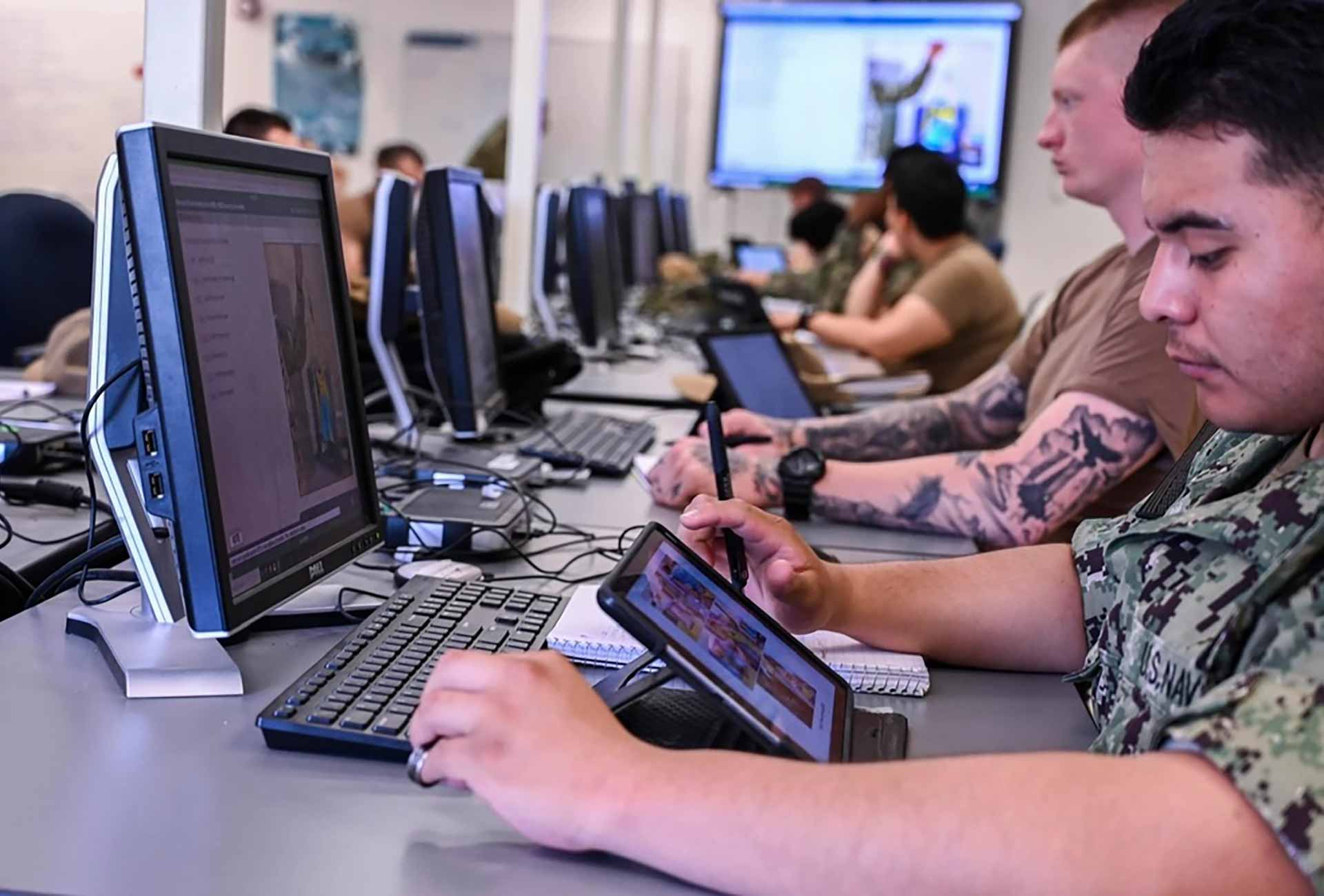
Lyntris is delivering virtual, adaptive training for the Navy's Basic Electricity and Electronics school — a foundational program that prepares sailors for A school and on-the-job technical work. Spanning 34 training modules, the solution pairs Lyntris’ AI-powered Adaptive Training Services with high-fidelity 3D simulations to personalize the learning experience for each sailor, producing better-prepared graduates faster and in support of the Navy's Ready, Relevant Learning initiative.
C3ARESYS – Simulated Combat Casualty Care Training
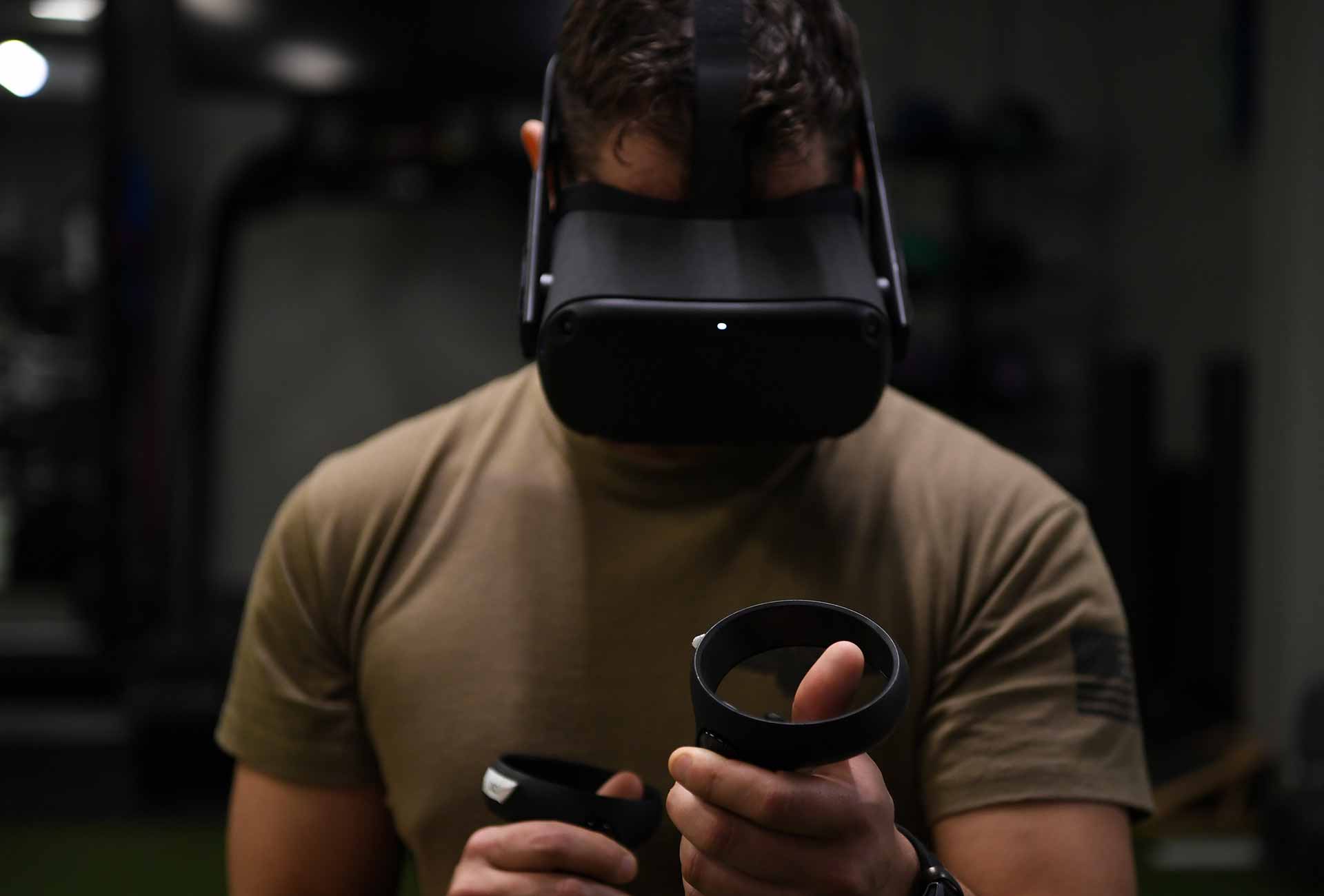
Under a SBIR contract with PEO STRI, Lyntris developed C3ARESYS, an augmented reality training system that overlays dynamic, lifelike injuries onto simulated casualties using Microsoft HoloLens 2. Unlike static mannequins, C3ARESYS models physiological and psychological responses that evolve in real time based on trainee decisions, while built-in instructor tools reduce the coordination burden so trainers can focus on observing and assessing performance.